$1.75
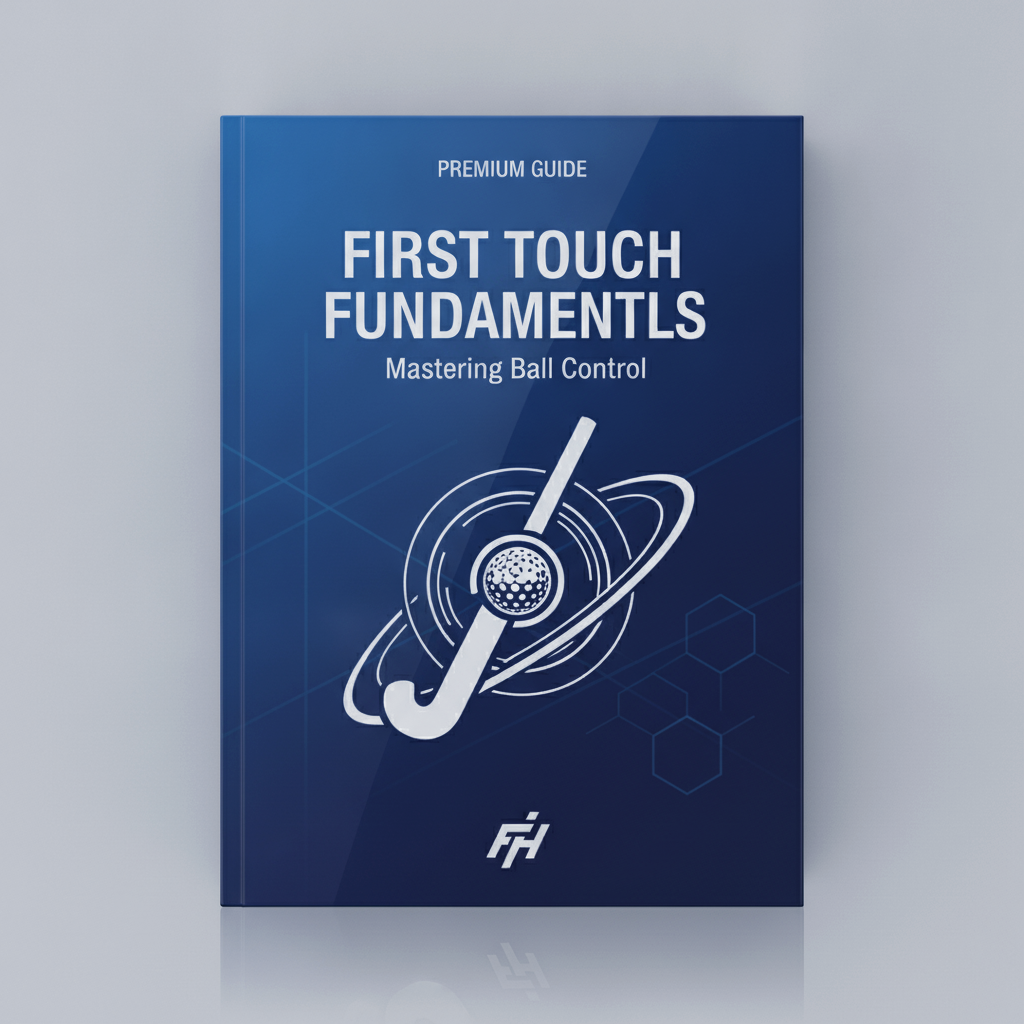
Stick-skill progressions to clean up your receiving. The trap, the lead, and the open body position that turns a scrappy first touch into an easy next pass — broken into drills you can run solo against a wall or with one teammate. Small work, big return: nothing changes your game faster than a first touch you can trust.
Get the guide →Seven chapters, one clean touch.
- Soft hands: why the stick gives before the ball lands
- The open body position that buys you a second
- Trapping the flat pass, the aerial, and the bobble
- Leading onto the ball instead of waiting for it
- Reverse-stick receiving without breaking stride
- Wall-drill progressions for solo sessions
- Building a ten-minute pre-training routine
- PDF, 36 pages, print-friendly
- Step-by-step drills with rep counts
- Lifetime access with free re-downloads
- Reads on phone, tablet, or desktop
Why the first touch comes first.
Ask any coach what separates two players of the same fitness and the answer is almost always the same: what happens in the first half-second after the ball arrives. A clean touch buys time, opens the pitch, and makes everything after it look easy. A heavy one gives the ball back. Yet receiving is the skill players are least likely to practise on purpose.
We wrote this because it is the cheapest improvement in the game — no new stick required, just a wall and ten honest minutes. The drills here are the ones we came back to over years of club sessions, sequenced so a beginner can start at chapter one and a decent player can jump to reverse-stick work. Fix the first touch and the rest of your game quietly gets better around it.
Kit it out in one go.

Before you commit.
Who is this guide actually for?
Anyone who wants a first touch they can trust — from a beginner in their first season to a club player whose receiving lets them down under pressure. Chapter one starts with soft hands and the open body position, so a newcomer is never lost, while the reverse-stick and lead-onto-the-ball work later on gives a developing player something to chew on. It is a fundamentals guide, not a coaching qualification.
What format is it, and how do I read it?
It is a PDF you download the moment you check out — no app, no login, no waiting on the post. It reads cleanly on a phone at the pitch, a tablet on the sofa, or a desktop, and it is print-friendly if you like drills on paper. You get lifetime access and free re-downloads, so a new phone never costs you the book.
Can I run the drills on my own, or do I need a partner?
Most of it is built for solo work — a wall and ten honest minutes is the whole kit list, and the wall-drill progressions are the part readers tell us they use most. Where a drill genuinely wants a second player, we say so and give you a solo version alongside it. You do not need a team, a coach, or a booked pitch to get value out of it.
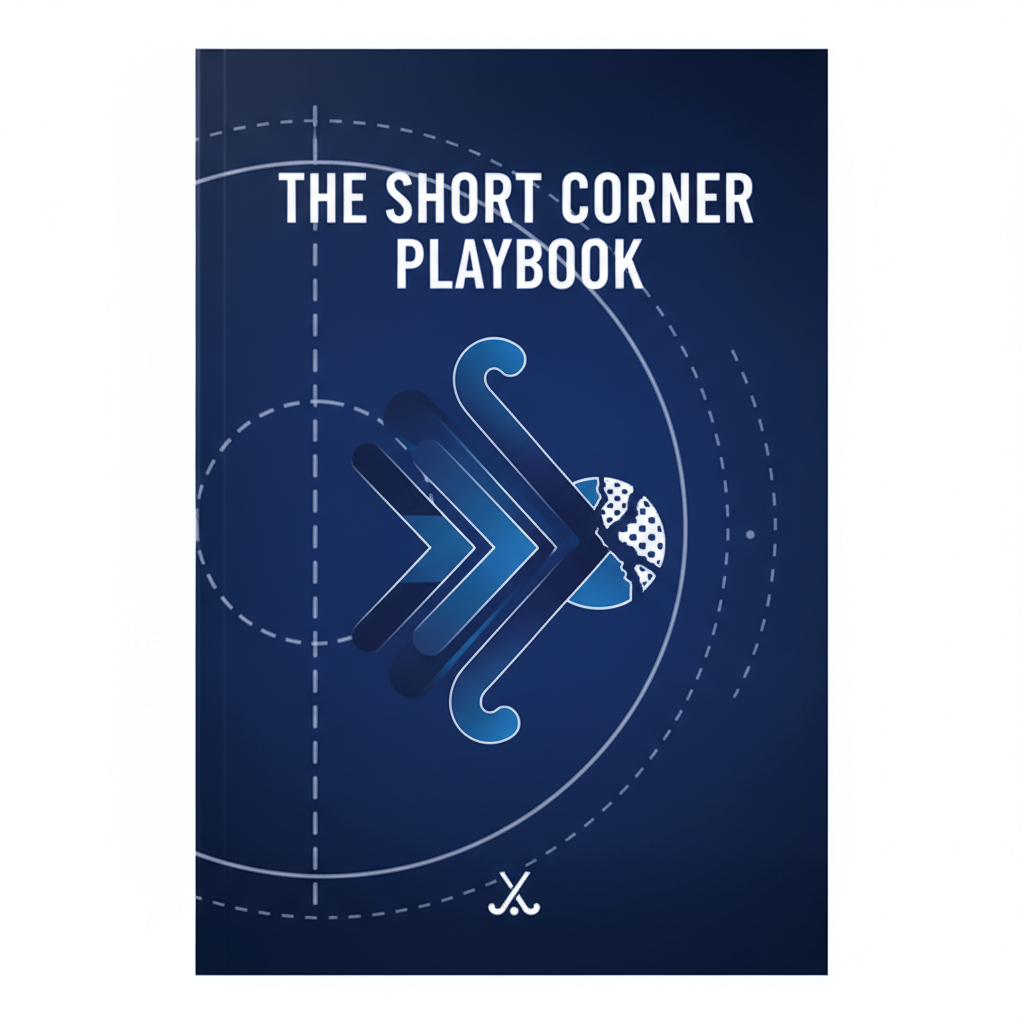
How is this different from The Short Corner Playbook?
Different problem entirely. The Playbook is set-piece tactics — attacking and defending short corners as a unit. This is an individual skill guide about the half-second after the ball reaches your stick: trapping, leading, and receiving on the reverse. They pair well, but you do not need one to use the other, and neither repeats the other's ground.